Pavel Ivanovich Voiloshnikov
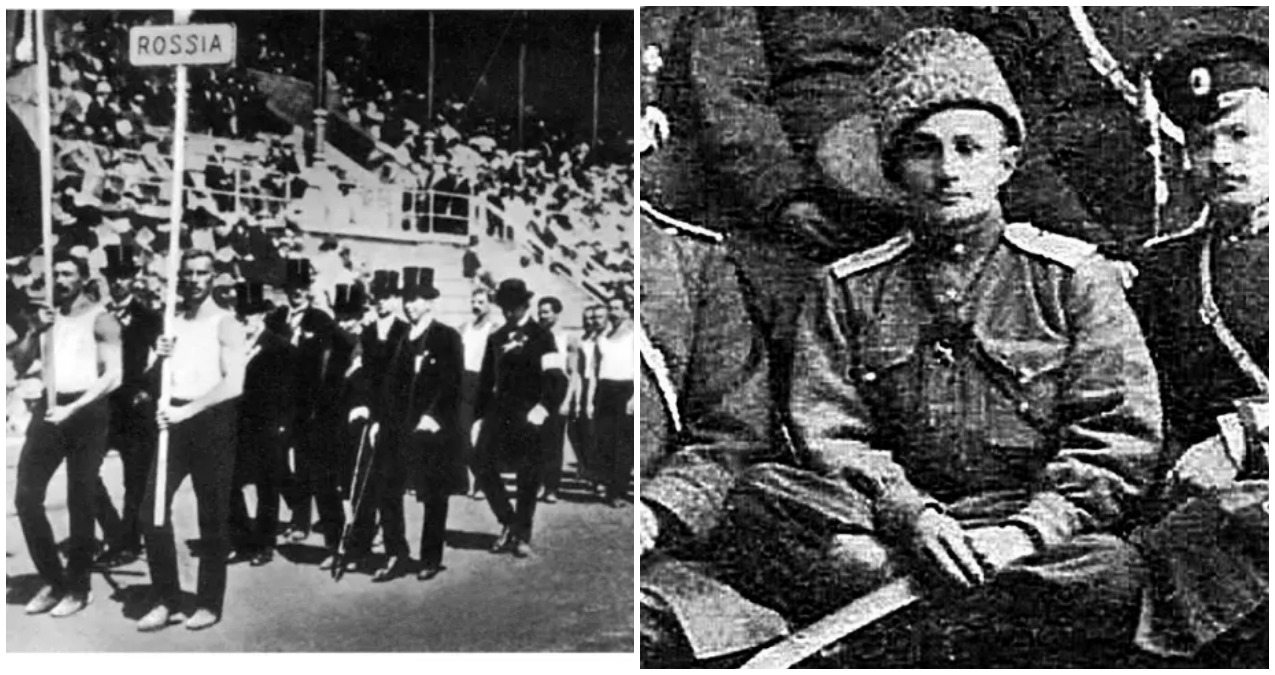
Col. Pavel Ivanovich Voiloshnikov. Born in 1878 in the Transbaikal back when it was every bit as frontier as Dodge City or Tombstone in the U.S., Voiloshnikov graduated from the Siberian Cadet Corps in Omsk and the Nikolaev Cavalry Schoolin St. Petersburg before accepting an appointment as a subaltern with the 1st Verkhneudinsk regiment of the Transbaikal Cossack army, operating in China during the Boxer Rebellion. This led to him being very active during the Russo-Japanese War with his unit, and, following promotion to Sotnik, in the subsequental 1906 punitive expeditions in the region, suppressing revolts and rebellions. The decorated young cavalryman was selected for the Life Guards of His Majesty’s Consiolidate Cossack Regiment in 1909 and, after winning repeated pistol matches among the Guards regiments, was selected for the 1912 Olympics in Stockholm (where Patton also competed in shooting events and Grand Duke Dmitri, one of Rasputin’s future killers, rode in equestrian events). Voiloshnikov came away with a Silver medal in the 30m Dueling Pistols event. During the Great War, he served as a squadron commandr with the Life Guards Cossacks then, by the winter of 1916, had risen to become the https://gwar.mil.ru/documents/view/?id=58557246 temporary commander of the regiment. Following the March Revolution, in June 1917 he was appointed commander of the 1st Argun Cavalry Regiment, a famed irregular unit of wild Siberians that also counted Baron Ungern-Sternberg and Prince Bermondt-Avalov as former members. After Brest Litovsk, Voiloshnikov returned home to the Transbaikal and threw in his lot with Kolchak, rising to the rank of major general in command of assorted Cossack and cavalry units. Arrested in Irkutsk in March 1920, he was taken to Moscow and sentenced to 10 years in the gulag then exiled to Siberia. Apparently after a spell with the White exiles in Manchuria in the 1930s, he returned to the Irkutsk region and worked as a draftsman until he was arrested in 1938 and shot under the purges. He was rehabilitated by the decision of the Military Tribunal of the Voronezh Military District of September 20, 1957