Thats It, Britian is Lost
So, between the riots by Generation X (Y?Z?) rebelling against conformity, unemployment and what they perceive as general wanker-ness by everyone over 25 years of age, and defense cuts, Britain is done.
First, the MoD cut all of the combat aircraft that can fly from its carriers (bit not the carriers themselves), slashed the number of combat air squadrons to its lowest level since London had to worry about Zepplins, and then turned around and went after the land forces.
Among the cuts could be the Coldstream Guards.

The British Royal Guards include the
1. Scots Guards (no, they don’t wear kilts)
2. Welsh Guards
3. Grenadier Guards
4. Tins and Blues and Lifeguards of the Household Cavalry (who ride armored fighting vehicles for battlefield scouting whenever their horses are in the shop)
5. The Irish Guards (even though only six counties remain British)
6. The Coldstream Guards
The guards are the primary garrison for London, and are charged with the protection of the sovereign, currently Queen Elizabeth.
There duties are largely ceremonial, however they do have a very real job to do in the protection of the sovereign and can be called upon as regular units of the British army. All of the regiments have a proud history of military service.
Who are the Coldstreams?
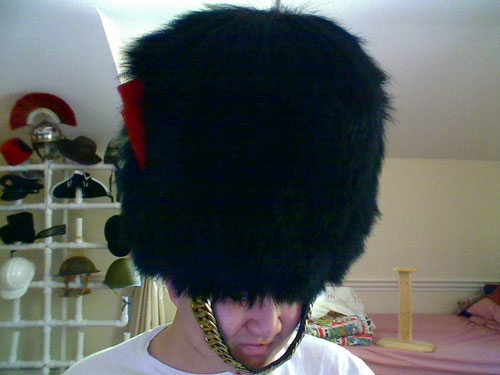
The regiment has a proud history, boasting 13 Victoria Crosses, a George Cross and 117 battle honours in its 360-year history. (Comparatively the oldest Regiment in the US Army is the Old Guard of 3rd Infantry Regiment which has 50-battlestreamers in its 227-year history)
The Coldstream Guards, nicknamed ‘Lilywhites,’ were formed in the English Civil War when Oliver Cromwell gave Colonel George Monck permission to have his own regiment. It took part in the Battle of Dunbar, where the Roundheads defeated the royalist forces of Charles Stuart.
After Cromwell’s death, Monck supported the monarchy and on January 1, 1660 crossed the River Tweed into England at the village of Coldstream and began a five-week march to London.He arrived in London on February 2 and helped in the restoration of the monarchy. For his help, Monck was given the Order of the Garter and his regiment was assigned to keep order in London.It fought with distinction particularly at the Battle of Waterloo. The regiment suffered terrible casualties in World War One, twice losing all its officers. (Not misplaced, but churned to gruel in the trenches of the Western Front by big ass German shells.)

The guards were the first to enter Sarajevo in the Balkan conflict and has served in Iraq and Afghanistan.
Now, if the bean-counters get their way. They will hang up their bearskins and muster out leaving only tall thin shadows in history of their accomplishment. No doubt the money saved can be used to fund a small, ineffective and yet politically correct program somewhere for a few years until it too is cut.
Progress!

My ideas precisely!